Is your dental practice showing up in ChatGPT and Google AI Overviews?

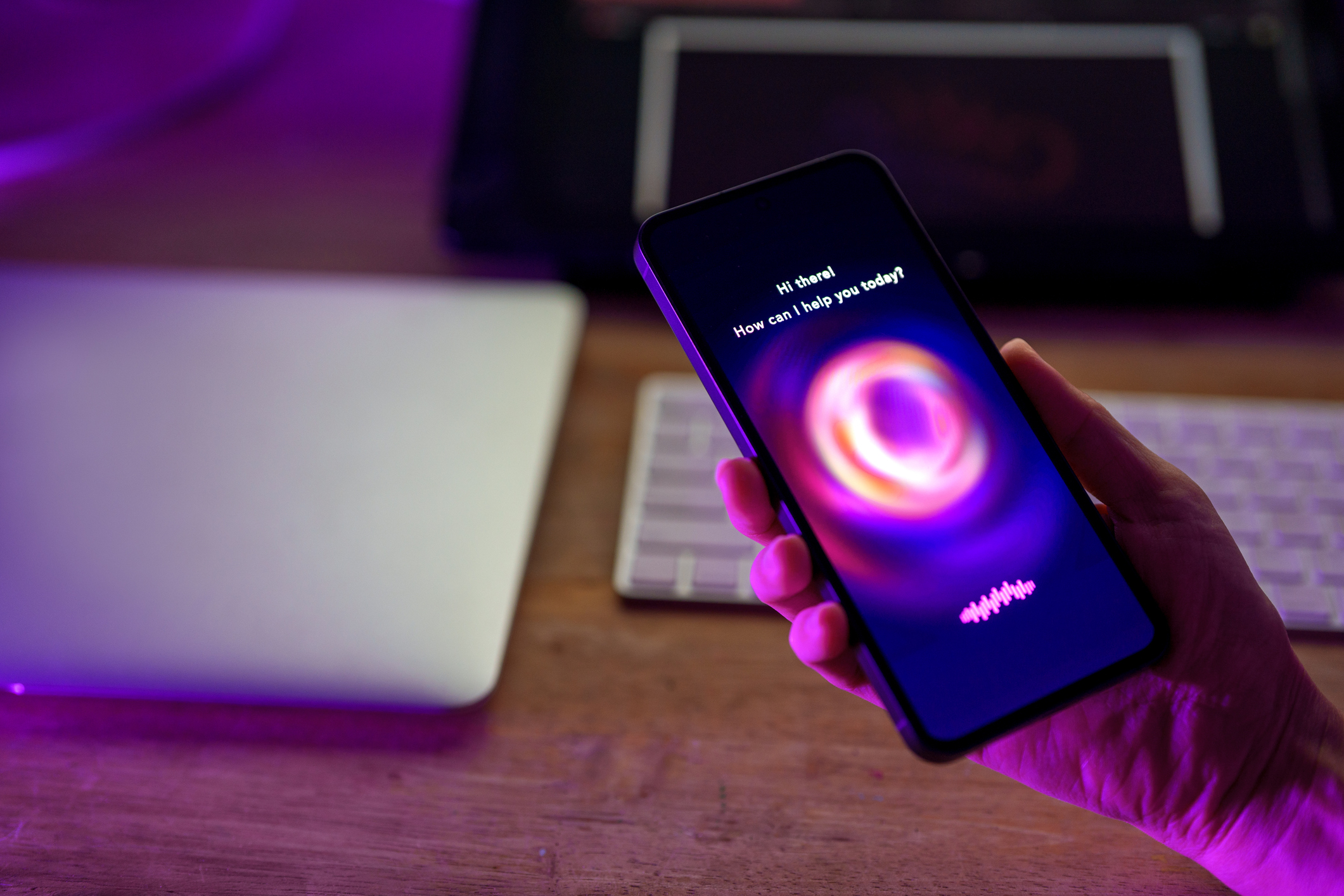
Patients are now asking ChatGPT which dentist to book
Picture a patient at 9pm with a throbbing tooth. They don’t scroll through ten blue links. They ask ChatGPT, “Who’s a good emergency dentist near me?” and gets a short, confident answer naming a few practices.
They might book the first one without ever seeing your website. Google is moving the same way: AI Overviews now answer plenty of dental questions at the top of the page, from “how much is an implant?” to “does a root canal hurt?”
So here’s the question. If a patient asked AI to recommend a dentist in your town today, would it mention you?
It’s a question we’re hearing from practices more and more: “Am I showing up in AI search?” It’s a fair one. The honest answer is that it depends, and here’s what to do about it.
There’s no secret trick
Google is blunt about it: “There are no additional requirements to appear in AI Overviews or AI Mode”. It tells site owners to focus on helpful, people-first content and to keep their Business Profile up to date. Extras like structured data and an llms.txt file can help tools read your site accurately, and they should always match what patients can actually see on the page.
AI assistants don’t publish a checklist, and their answers change from one search to the next. Nobody can promise you a spot, so be wary of anyone who does. What you can do is make your practice easy to find, easy to read, easy to trust, and easy to recommend.
Seven things to check
- Google yourself. Search your practice name. Are your name, address, phone number and opening hours identical on your website, Google and every directory? Conflicting details confuse patients and search tools, so fix the odd ones out.
- Tidy your Google Business Profile. For most “dentist near me” searches, this is your shop window. Choose the right category, list every treatment, add fresh photos and check your hours.
- Ask for reviews, then reply to them. Ask happy patients while they’re still smiling, and answer every review, good or bad. If you’d rather not do it by hand, our EasyReview service helps practices manage reviews and reputation.
- Give each treatment its own page. Implants, Invisalign, emergency appointments: one page each, in plain English. Say what it involves, who it’s for, roughly what it costs and whether it’s NHS or private. Our web design and copywriting teams can help.
- Answer real questions. Add FAQs written the way patients ask them: “Does a root canal hurt?”, “How much is a private check-up?”, “Is there a dentist for nervous patients near me?” Short, direct answers help patients and are easy for search tools to pick up.
- Show off your team. Name your clinicians with their GDC numbers and qualifications. The GDC expects it and it tells patients exactly who they’ll meet.
- Make sure Google can read your site. A page needs to be indexed and eligible to show with a snippet. Check that your key pages are, and that they load quickly on a phone.
The old groundwork still does the job, and that’s what our dental SEO service is built around and Google Ads can keep enquiries coming while it builds.
What we do behind the scenes
On top of the list above, here’s what we put in place when we work on AI visibility with a practice:
- Structured data. Behind-the-scenes code that tells search tools exactly what’s on your site: your pages, your practice details, and a Dentist entry with address, phone, opening hours, rating and the treatments you offer. It always matches what patients can see on the page.
- One feed for all of it. Yoast’s schema aggregation endpoint is a single web address that hands AI systems all of your site’s structured data in one go, so nothing gets missed.
- An llms.txt file. A simple file listing your key pages, treatments, fees, team and contact details, so AI tools can find the important bits quickly.
- Citation building. We build and tidy your listings on dental and local directories, so the details you checked in step one match wherever AI tools look.
- Links from other sites. Blogs and articles that link back to your website, which builds your site’s authority over time.
- Regular site and copy audits. Ongoing checks against Google’s E-E-A-T quality guidelines, so the trust signals on your site don’t quietly drift.
None of this is a trick, and Google says none of it is required to appear in AI answers. It simply makes your practice easier to find, read and trust.
Not sure where you stand?
We’re a dental marketing agency, and this is what we do. Get in touch and we’ll take a look at how your practice shows up, or read more in our AI articles.
More posts from our team
Five Star
Reviewed Marketing


 "Would definitely recommend to a friend"
"I cannot recommend Dental Design highly enough"
"Really great company to deal with"
"Very professional, efficient & adaptive to new situations"
"I cannot recommend them highly enough"
"Has been invaluable and gone out of her way to help us"
"We love the look of our practice website. Very professional!"
"Dental Design stood out both in their knowledge of the industry and their professionalism"
"The team and package offered at dental design was unrivalled"
"absolutely fantastic and are always on hand to help"
"Dental Design are fantastic to work with"
"always met with a swift and professional response"

