Is your dental practice showing up in ChatGPT and Google AI Overviews?

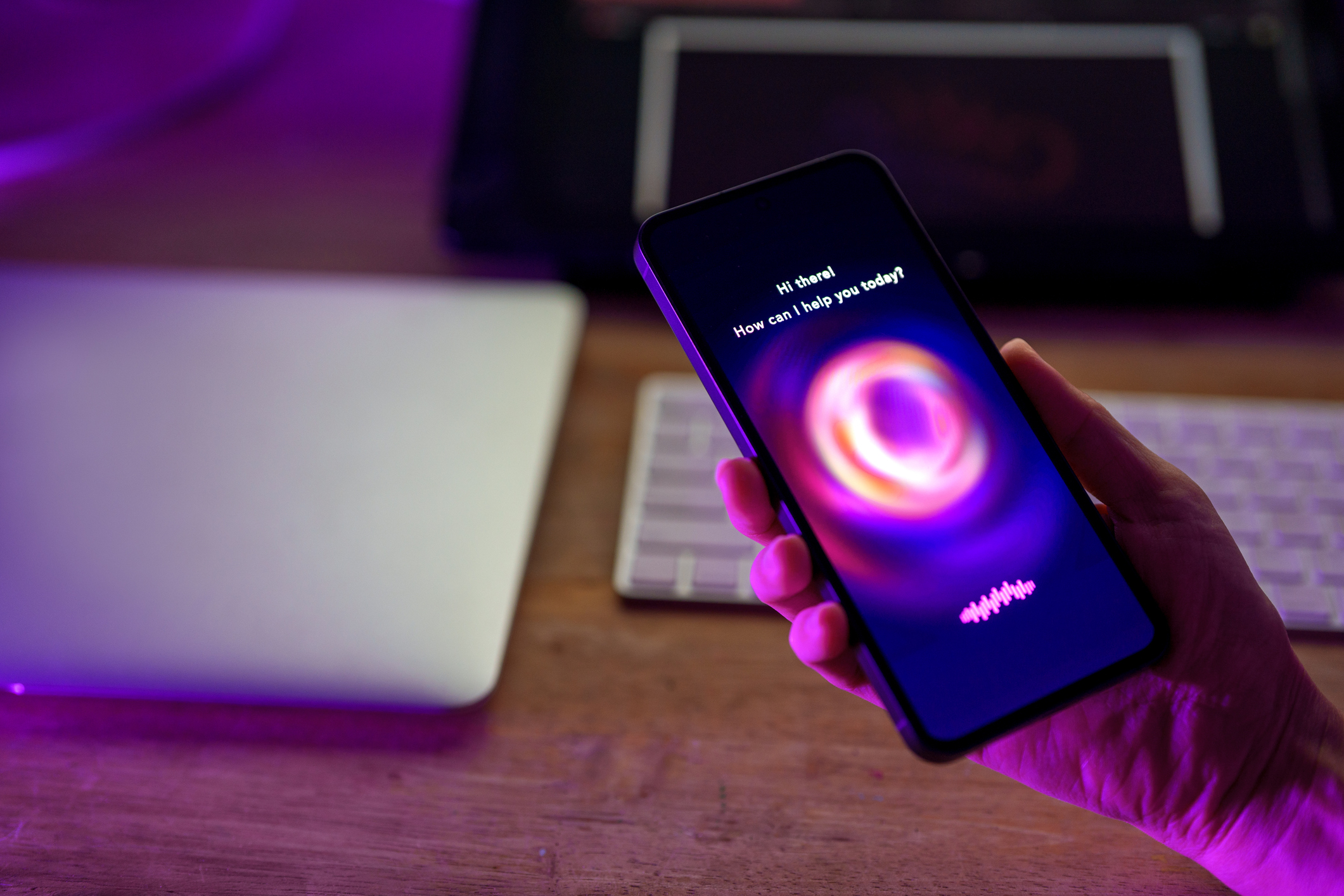
Patients are now asking ChatGPT which dentist to book
Picture a patient at 9pm with a throbbing tooth. They don’t scroll through ten blue links. They ask ChatGPT, “Who’s a good emergency dentist near me?” and gets a short, confident answer naming a few practices.
They might book the first one without ever seeing your website. Google is moving the same way: AI Overviews now answer plenty of dental questions at the top of the page, from “how much is an implant?” to “does a root canal hurt?”
So here’s the uncomfortable question. If a patient asked AI to recommend a dentist in your town today, would it mention you?
It’s a question we’re hearing from practices more and more: “Am I showing up in AI search?” It’s a fair one. The honest answer is that it depends, and here’s what to do about it.
The good news: there’s no secret trick
Google is blunt about it: “There are no additional requirements to appear in AI Overviews or AI Mode”. It tells site owners to focus on helpful, people-first content and to keep their Business Profile up to date. It even says no special schema is needed, as long as any structured data matches what’s visible on the page.
AI assistants don’t publish a checklist, and their answers change from one search to the next. Nobody can promise you a spot, so be wary of anyone who does. What you can do is make your practice easy to find, easy to trust and easy to recommend.
Seven things to do this week
- Google yourself. Search your practice name. Are your name, address, phone number and opening hours identical on your website, Google and every directory? Conflicting details confuse patients and search tools, so fix the odd ones out.
- Tidy your Google Business Profile. For most “dentist near me” searches, this is your shop window. Choose the right category, list every treatment, add fresh photos and check your hours.
- Ask for reviews, then reply to them. Ask happy patients while they’re still smiling, and answer every review, good or bad. If you’d rather not do it by hand, our EasyReview service helps practices manage reviews and reputation.
- Give each treatment its own page. Implants, Invisalign, emergency appointments: one page each, in plain English. Say what it involves, who it’s for, roughly what it costs and whether it’s NHS or private. Our web design and copywriting teams can help.
- Answer real questions. Add FAQs written the way patients ask them: “Does a root canal hurt?”, “How much is a private check-up?”, “Is there a dentist for nervous patients near me?” Short, direct answers help patients and are easy for search tools to pick up.
- Show off your team. Name your clinicians with their GDC numbers and qualifications. The GDC expects it anyway, and it tells patients exactly who they’ll meet.
- Make sure Google can read your site. A page just needs to be indexed and eligible to show with a snippet. Check that your key pages are, and that they load quickly on a phone.
The old groundwork still does the job, and that’s what our dental SEO service is built around. Google Ads can keep enquiries coming while it builds.
Not sure where you stand?
We’re a dental marketing agency, and this is what we do. Get in touch and we’ll take a look at how your practice shows up, or read more in our AI articles.
More posts from our team
Five Star
Reviewed Marketing


 "Would definitely recommend to a friend"
"I cannot recommend Dental Design highly enough"
"Really great company to deal with"
"Very professional, efficient & adaptive to new situations"
"I cannot recommend them highly enough"
"Has been invaluable and gone out of her way to help us"
"We love the look of our practice website. Very professional!"
"Dental Design stood out both in their knowledge of the industry and their professionalism"
"The team and package offered at dental design was unrivalled"
"absolutely fantastic and are always on hand to help"
"Dental Design are fantastic to work with"
"always met with a swift and professional response"

