Why Your Landing Page Matters More Than Your Google Ads

When a dental practice isn’t getting the results it expected from Google Ads, the first instinct is often to blame the campaign itself. Maybe the keywords are wrong, the budget isn’t high enough, or the adverts need rewriting.
Whilst these can all affect performance, there’s one factor that’s often overlooked – your landing page.
In reality, even the best Google Ads campaign can’t compensate for a poor landing page. You can drive hundreds of potential patients to your website every month, but if they don’t quickly find what they’re looking for or feel confident enough to get in touch, they’ll simply leave and book with another practice.
If you’re investing in Google Ads, your landing page is arguably the most important part of your marketing funnel.
What is a Landing Page?
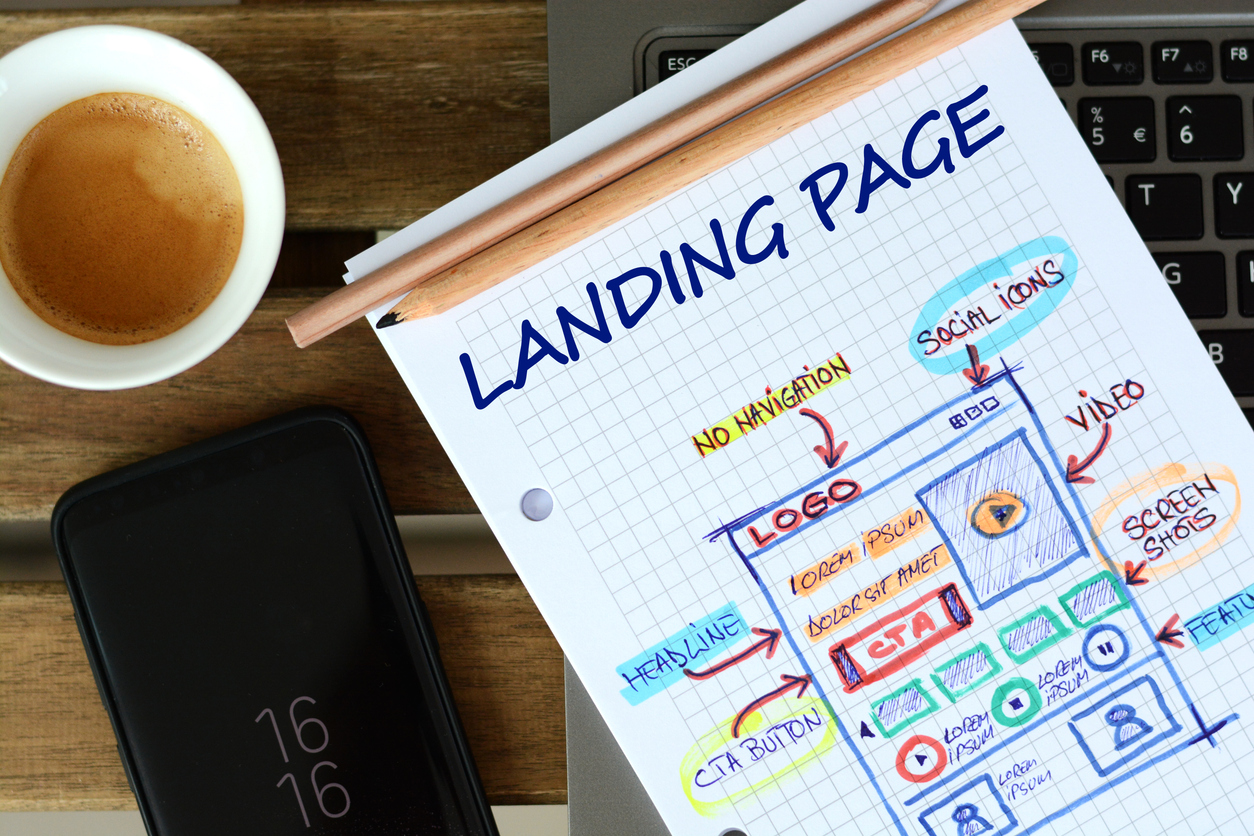
A landing page is a dedicated webpage designed with one goal in mind, to encourage visitors to take a specific action.
Unlike your homepage, which introduces your practice and links to multiple areas of your website, a landing page focuses on a single treatment or service.
For example, if you’re running Google Ads for Invisalign, your advert should send users to a dedicated Invisalign page rather than your homepage.
The page should answer every question a potential patient might have whilst making it as easy as possible to book a consultation.
Why Landing Pages Have Such a Big Impact
Google Ads gets people to your website.
Your landing page convinces them to become patients.
Think of your advert as opening the front door. The landing page is what persuades someone to walk inside.
If there’s a disconnect between the advert and the page they arrive on, trust is lost almost instantly.
Google Rewards Good Landing Pages
Many practice owners don’t realise that Google looks beyond your advert when deciding where and how often to show it.
One of the biggest factors influencing your Quality Score is the experience users have after clicking your advert.
A high-quality landing page can lead to:
- Lower cost per click
- Better advert positions
- Higher click-through rates
- More enquiries from the same budget
- Improved return on investment
A poor landing page has the opposite effect. Google sees visitors leaving quickly without taking action and assumes your page isn’t relevant.
This means you could end up paying more than your competitors for exactly the same keyword.
The Biggest Landing Page Mistakes Dentists Make
Sending Traffic to the Homepage
This is by far the most common mistake.
Someone searching for “Invisalign in Bristol” doesn’t want to land on a homepage featuring general dentistry, hygienists, emergency appointments and children’s dentistry.
They want Invisalign information.
The closer your landing page matches the user’s search, the higher your conversion rate is likely to be.
Too Many Distractions
Many dental websites include:
- Multiple navigation menus
- Pop-ups
- Links to every treatment
- Social media feeds
- Blog articles
Whilst these elements have their place elsewhere on your website, they can distract visitors from taking the action you actually want.
A great landing page removes unnecessary distractions and keeps visitors focused on booking an appointment.
Slow Loading Speed
Patients are impatient.
If your page takes more than a few seconds to load, many visitors will simply return to Google and click on another practice.
Google also uses page speed as part of its assessment of landing page quality.
Compressing images, reducing unnecessary scripts and choosing quality website hosting can all make a significant difference.
Weak Headlines
Your headline needs to reassure visitors immediately that they’ve found exactly what they’re looking for.
Compare these two examples:
Poor headline
“Welcome to Our Dental Practice”
Better headline
“Invisalign Treatment in Manchester from Experienced Invisalign Providers”
The second headline instantly confirms relevance and builds confidence.
No Clear Call to Action
Every landing page should have one primary goal.
Whether that’s:
- Book a consultation
- Call the practice
- Request a callback
- Complete an enquiry form
Visitors shouldn’t have to hunt around for how to contact you.
Place your call-to-action throughout the page, not just at the bottom.
Missing Trust Signals
Choosing a dentist is a significant decision.
Patients want reassurance before getting in touch.
Your landing page should include:
- Google reviews
- Patient testimonials
- Before and after photographs (where appropriate)
- Awards or accreditations
- GDC registration details
- Finance options
- Professional photography of your practice and team
These trust signals help reduce uncertainty and increase enquiries.
Poor Mobile Experience
More than half of dental-related Google searches now happen on mobile devices.
If your landing page isn’t optimised for smartphones, you’re likely losing potential patients before they even read your content.
A mobile-friendly landing page should include:
- Fast loading times
- Large, easy-to-tap buttons
- Click-to-call functionality
- Simple enquiry forms
- Easy-to-read text
- Minimal scrolling where possible
Every Google Ads Campaign Needs a Dedicated Landing Page
Rather than sending every advert to the same page, create dedicated landing pages for each treatment you promote.
Examples include:
- Dental implants
- Invisalign
- Composite bonding
- Teeth whitening
- Emergency dentistry
- Cosmetic dentistry
- Smile makeovers
- Dental hygiene
This improves relevance for both Google and potential patients.
What Makes a High-Converting Dental Landing Page?
The best landing pages aren’t necessarily the most visually impressive.
They’re the ones that answer questions, build trust and encourage action.
A successful landing page should include:
- A clear headline matching the search term
- A simple explanation of the treatment
- Benefits rather than just features
- Professional imagery
- Genuine patient testimonials
- Before and after cases
- Frequently asked questions
- Finance information
- Strong calls to action throughout
- Simple contact forms
- Fast loading speed
- Mobile optimisation
Every element should work towards one objective: converting visitors into enquiries.
Google Ads can drive highly qualified traffic to your website, but it’s your landing page that determines whether those visitors become patients.
Even a modest improvement in your landing page conversion rate can dramatically reduce your cost per lead and increase your return on investment without spending an extra penny on advertising.
Instead of asking, “How can I improve my Google Ads?”, a better question is often:
“How can I improve the experience after someone clicks my advert?”
More often than not, that’s where the biggest gains are made.
Ready to Turn More Clicks Into Patients?
If your dental practice is investing in Google Ads but not seeing the enquiries you’d expect, your landing pages could be holding you back.
At Dental Design, we create high-converting landing pages and Google Ads campaigns specifically for dental practices, helping you generate more qualified enquiries while making the most of your advertising budget.
Whether you’re promoting dental implants, Invisalign, cosmetic dentistry or general dental services, we’ll build a strategy that turns more website visitors into booked appointments.
Get in touch with the team at Dental Design today to find out how we can improve your Google Ads performance and help your practice grow.
More posts from our team
Five Star
Reviewed Marketing



 "Would definitely recommend to a friend"
"I cannot recommend Dental Design highly enough"
"Really great company to deal with"
"Very professional, efficient & adaptive to new situations"
"I cannot recommend them highly enough"
"Has been invaluable and gone out of her way to help us"
"We love the look of our practice website. Very professional!"
"Dental Design stood out both in their knowledge of the industry and their professionalism"
"The team and package offered at dental design was unrivalled"
"absolutely fantastic and are always on hand to help"
"Dental Design are fantastic to work with"
"always met with a swift and professional response"
"Would definitely recommend to a friend"
"I cannot recommend Dental Design highly enough"
"Really great company to deal with"
"Very professional, efficient & adaptive to new situations"
"I cannot recommend them highly enough"
"Has been invaluable and gone out of her way to help us"
"We love the look of our practice website. Very professional!"
"Dental Design stood out both in their knowledge of the industry and their professionalism"
"The team and package offered at dental design was unrivalled"
"absolutely fantastic and are always on hand to help"
"Dental Design are fantastic to work with"
"always met with a swift and professional response"

